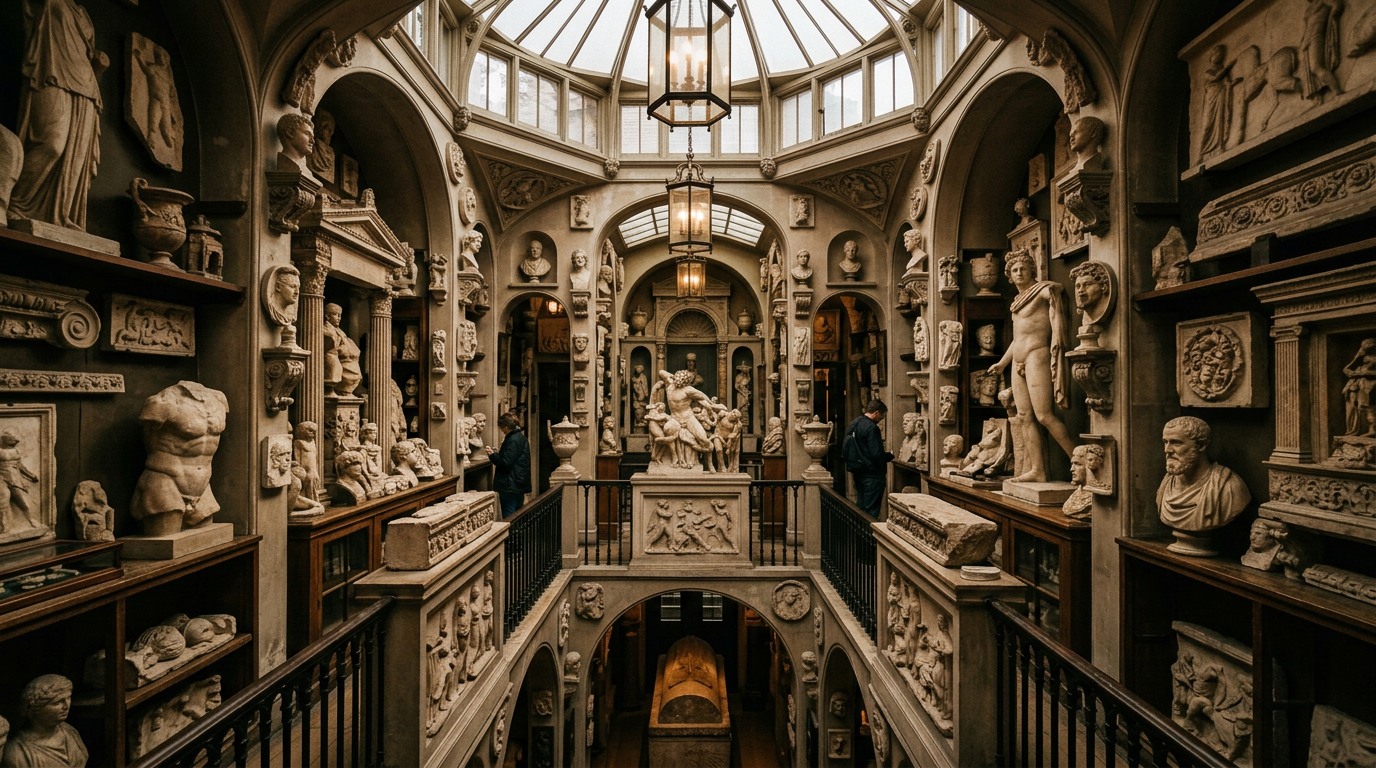
Sir John Soane's Museum
About Sir John Soane's Museum
The extraordinary former home of architect Sir John Soane on Lincoln's Inn Fields, packed with antiquities, paintings and architectural models exactly as he left them, free to visit.
History
Sir John Soane, architect of the Bank of England, filled his house on Lincoln's Inn Fields with antiquities, paintings, books and architectural fragments. In 1833 he secured an Act of Parliament to preserve the house and its collection for the public after his death.
Soane died in 1837, and the museum has been kept as close as possible to how he arranged it ever since. Its treasures include the sarcophagus of the Egyptian pharaoh Seti I and paintings by Hogarth, Canaletto and Turner.
What to Expect
Expect a small, atmospheric house rather than a big museum. Rooms are crammed floor to ceiling with objects, and the picture room's hinged walls reveal hidden paintings. Visitor numbers inside are limited, so there can be a short queue, and bags must be left in the cloakroom. It pairs well with a walk around Lincoln's Inn and Holborn.
Known For
Highlights
- Free entry
- Intimate house museum
- Architectural drawings
- Lincoln's Inn Fields setting
- Guided tours
- One of London's hidden gems
Frequently Asked Questions
- Is Sir John Soane's Museum free?
- Yes, entry to Sir John Soane's Museum is free. Guided tours and special events are ticketed.
- Do you need to book Sir John Soane's Museum?
- Booking is not always required, but numbers inside are limited, so you may queue at busy times. Check the museum's website for current arrangements.
- What is the nearest station to Sir John Soane's Museum?
- Holborn station is about a five-minute walk away, and Chancery Lane is also nearby.
More London Museums & Galleries
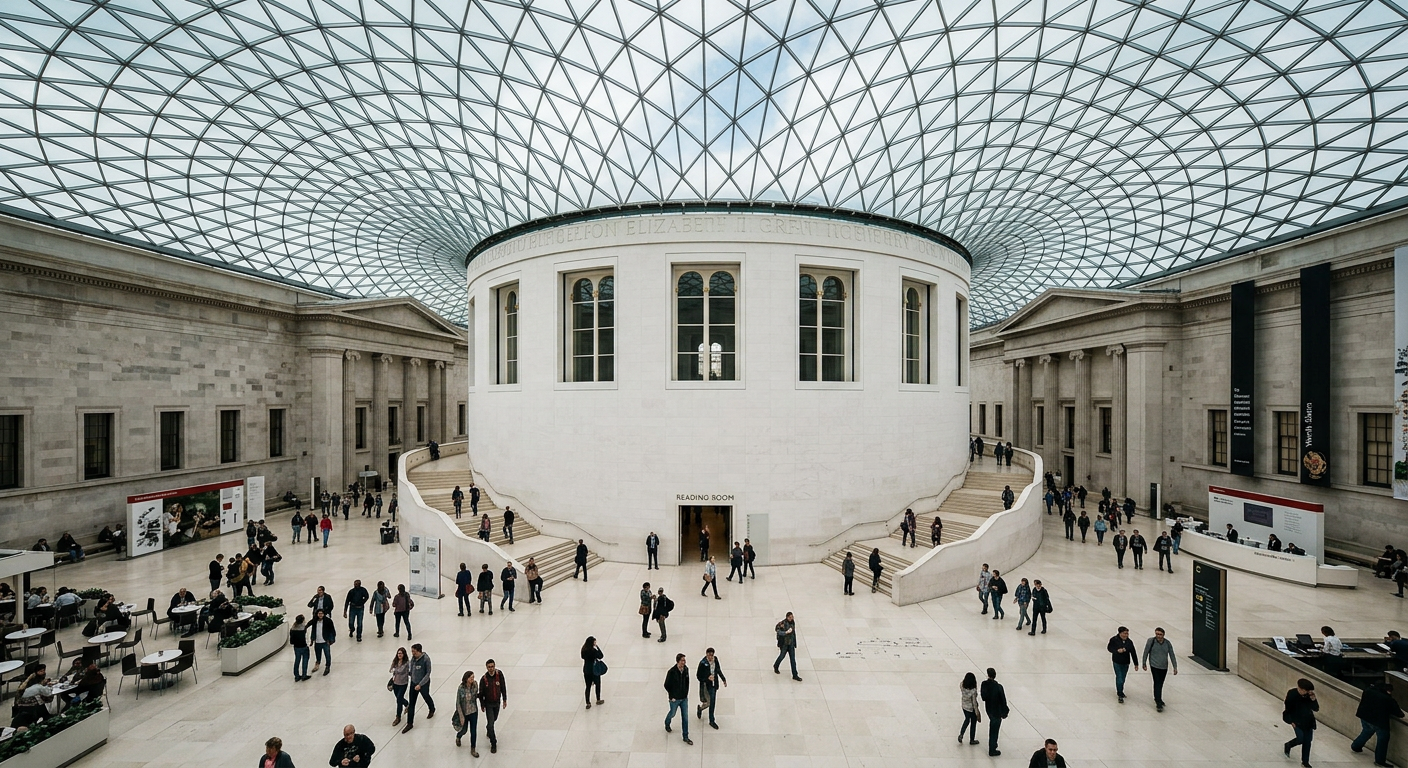
British Museum
The world's first national public museum, holding around eight million objects spanning two million years of human history, from the Rosetta Stone to the Parthenon sculptures.
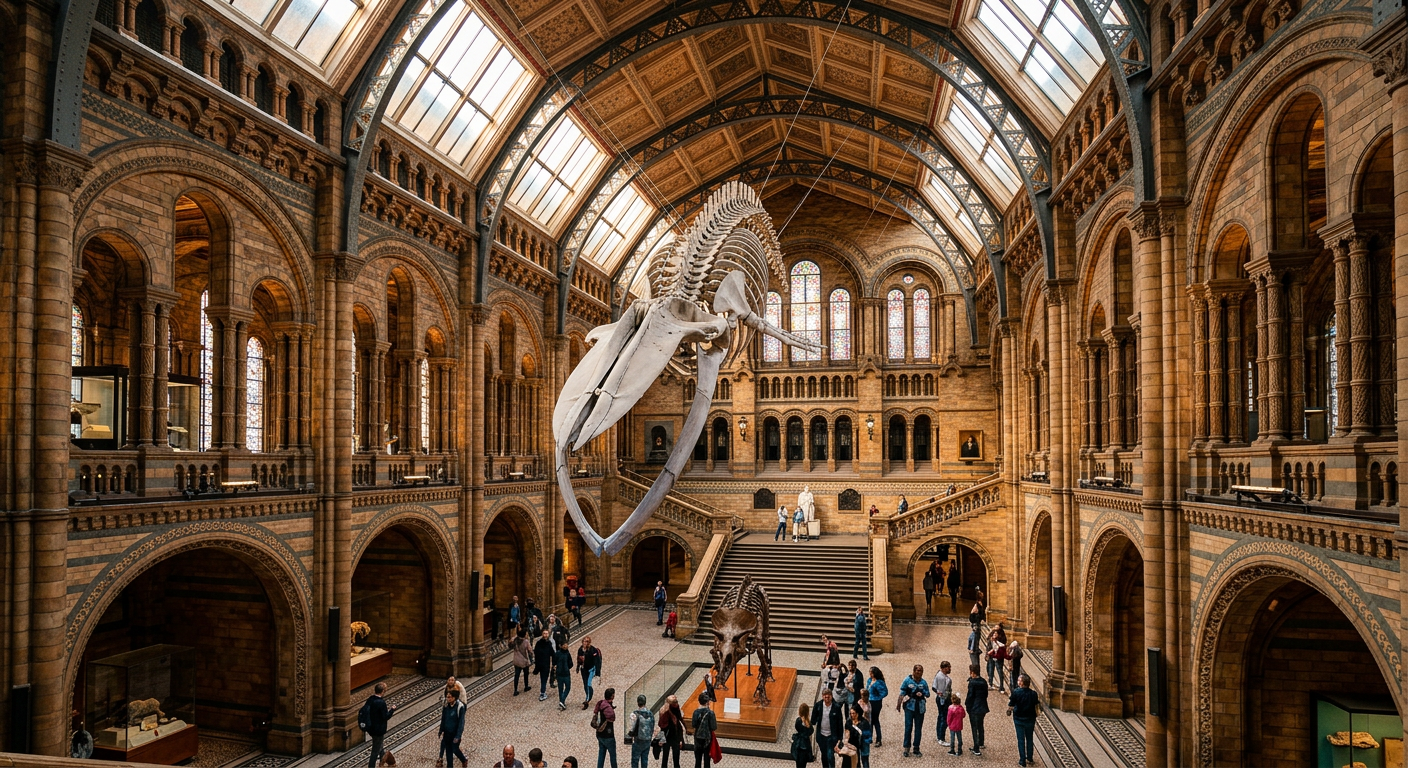
Natural History Museum
A cathedral to the natural world in a stunning Victorian building, famous for Hope the blue whale skeleton, its dinosaur gallery and around 80 million specimens.
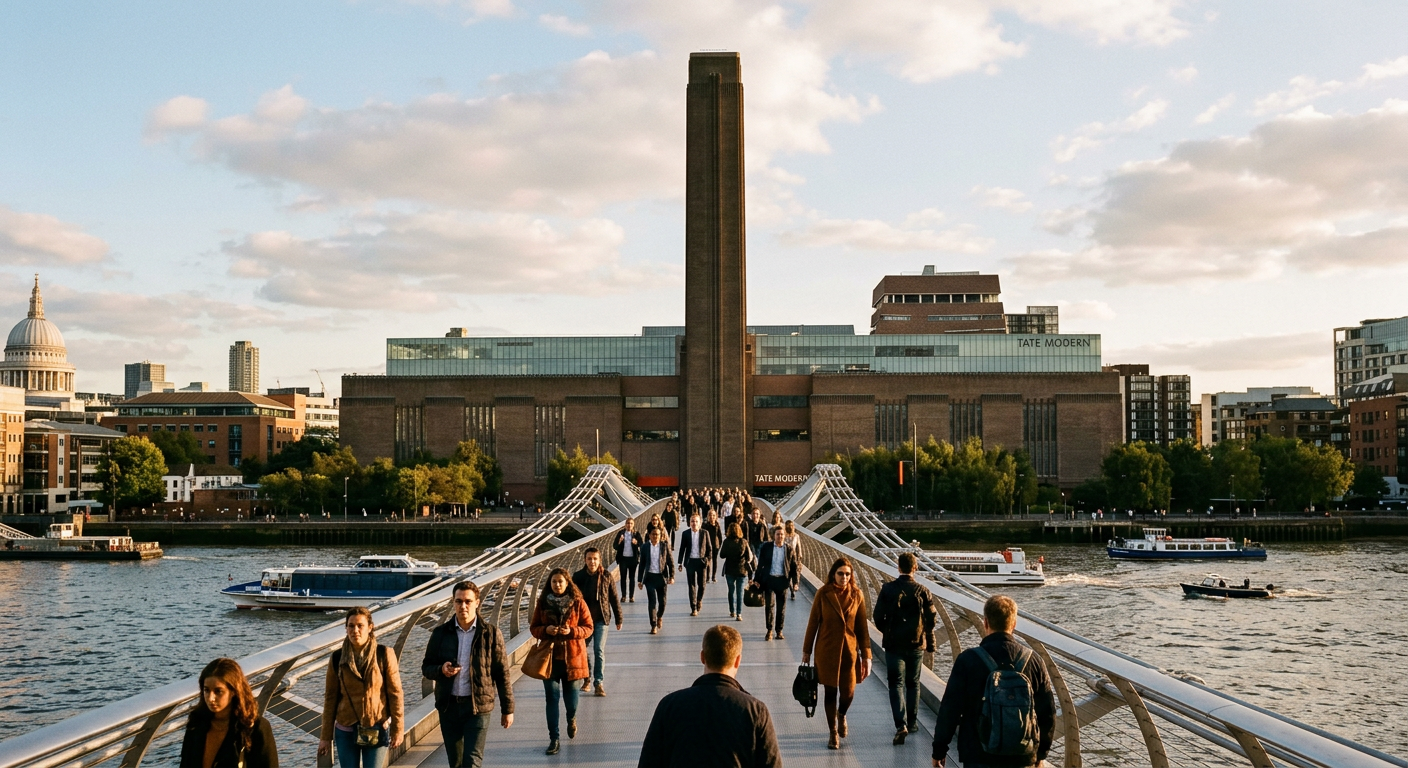
Tate Modern
Britain's national gallery of international modern and contemporary art, housed in a former power station on the South Bank with free collection displays and its vast Turbine Hall.